Harnessing the Power of the Sun in Space: The Future of Renewable Energy
As the world grapples with the challenges of climate change, energy security, and sustainable development, a revolutionary concept has emerged to transform the way we think about energy production: Space-Based Solar Power. This innovative approach involves collecting solar energy in space and beaming it back to Earth, providing a constant and reliable source of renewable energy. In this article, we will delve into the world of Space-Based Solar Power, exploring its technical challenges, environmental benefits, and the potential to become a game-changer in the transition to a low-carbon economy.
Introduction to Space-Based Solar Power
Space-Based Solar Power (SBSP) is a technology that has been under development for several decades, with the first concepts dating back to the 1960s. The basic idea is to deploy solar panels in orbit around the Earth, where they can collect solar energy and convert it into a microwave beam or a laser beam, which is then transmitted back to Earth. The energy is received by a rectifying antenna, known as a rectenna, which converts the microwave or laser beam into electrical energy. This energy can then be fed into the power grid, providing a clean and constant source of electricity.
Technical Challenges and Innovations
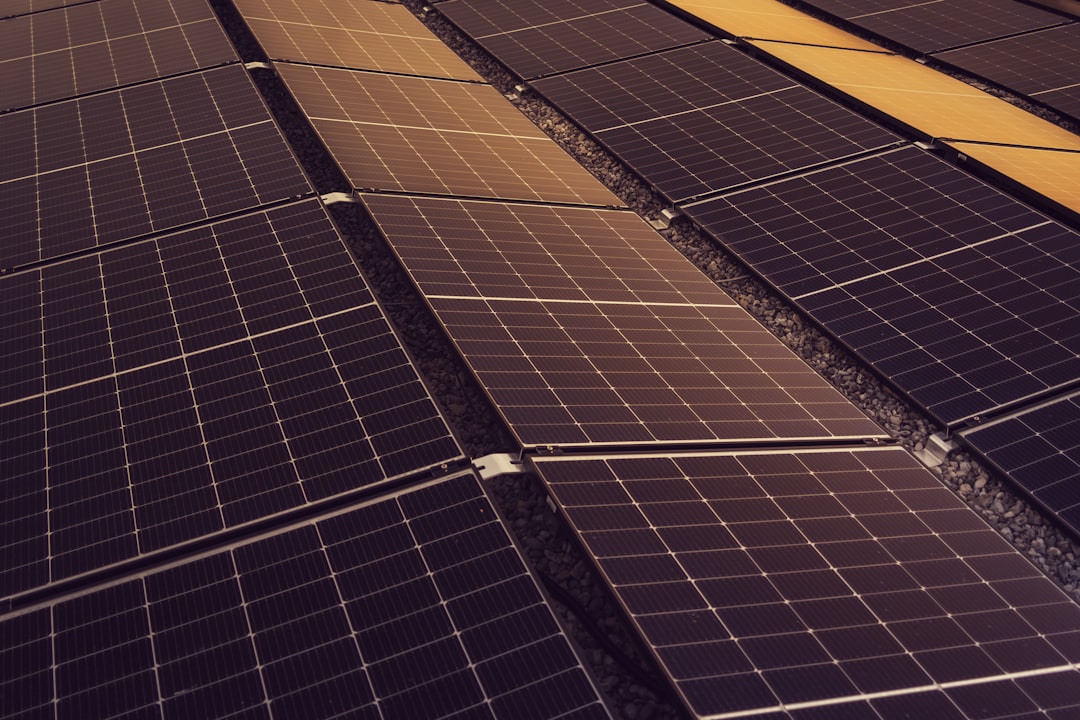
One of the main technical challenges facing SBSP is the development of efficient and lightweight solar panels that can withstand the harsh conditions of space. Additionally, the system requires advanced beam-forming and pointing technologies to ensure that the energy beam is accurately transmitted to the receiving station on Earth. However, recent advancements in materials science and space technology have made significant progress in addressing these challenges. For example, the development of new solar panel materials with higher efficiency and lower mass has improved the overall performance of SBSP systems.
Environmental Benefits and Comparison to Other Renewable Energy Sources
SBSP has several environmental benefits that make it an attractive option for reducing greenhouse gas emissions and mitigating climate change. Unlike traditional fossil fuels, SBSP produces no emissions or pollution, making it a clean and sustainable source of energy. Additionally, SBSP can provide a constant and reliable source of energy, unlike intermittent renewable energy sources such as wind and solar power. When compared to other renewable energy sources, SBSP has the potential to offer higher efficiency and lower costs in the long run. For example, a study by the National Renewable Energy Laboratory found that SBSP could provide energy at a cost of $0.10 per kilowatt-hour, which is competitive with traditional fossil fuels.
Comparison to Other Renewable Energy Sources
| Renewable Energy Source | Efficiency | Cost |
| --- | --- | --- |
| Space-Based Solar Power | 30-40% | $0.10 per kWh |
| Solar Power | 15-20% | $0.15 per kWh |
| Wind Power | 45-50% | $0.12 per kWh |
| Hydro Power | 90% | $0.05 per kWh |
As shown in the table above, SBSP has the potential to offer higher efficiency and lower costs compared to other renewable energy sources. However, it's essential to note that the development and deployment of SBSP systems are still in their early stages, and significant technical and economic challenges need to be addressed before it can become a viable option for widespread adoption.
Frequently Asked Questions
What are the main advantages of Space-Based Solar Power?
The main advantages of SBSP are its potential to provide a constant and reliable source of renewable energy, its high efficiency, and its low environmental impact.
How does Space-Based Solar Power work?
SBSP involves collecting solar energy in space using solar panels and transmitting it back to Earth as a microwave or laser beam, which is then converted into electrical energy.
Is Space-Based Solar Power a viable option for widespread adoption?
While SBSP has the potential to become a significant contributor to the global energy mix, significant technical and economic challenges need to be addressed before it can become a viable option for widespread adoption.
What are the main technical challenges facing Space-Based Solar Power?
The main technical challenges facing SBSP are the development of efficient and lightweight solar panels, advanced beam-forming and pointing technologies, and the construction of large-scale space-based infrastructure.
Conclusion
Space-Based Solar Power is a revolutionary concept that has the potential to transform the way we think about energy production. With its high efficiency, low environmental impact, and potential to provide a constant and reliable source of renewable energy, SBSP could play a significant role in the transition to a low-carbon economy. While significant technical and economic challenges need to be addressed, the development of SBSP systems is an exciting and rapidly evolving field that warrants further research and investment. As the world continues to grapple with the challenges of climate change, energy security, and sustainable development, Space-Based Solar Power is an innovative solution that could help us harness the power of the sun in space and create a brighter, more sustainable future for all.